

Our Impact Thesis
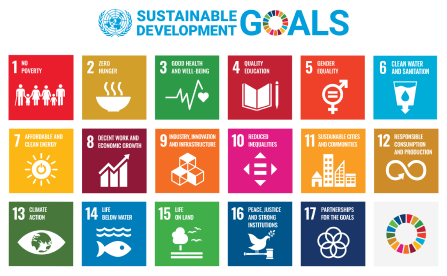
Aligning to
Investing in
-

Agriculture
-
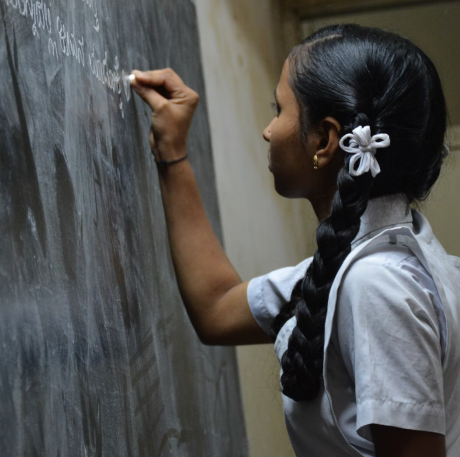
Education & Skill Development
-

Healthcare
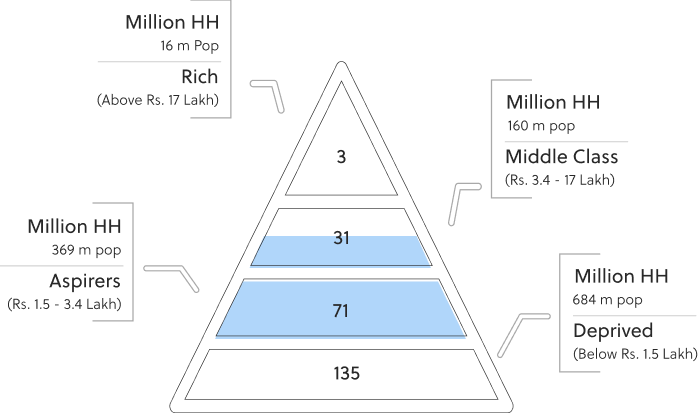
Serving the Poor
Serving the underserved, low-income, aspirer households with annual incomes ranging from Rs 1.5-8 lakhs per annum
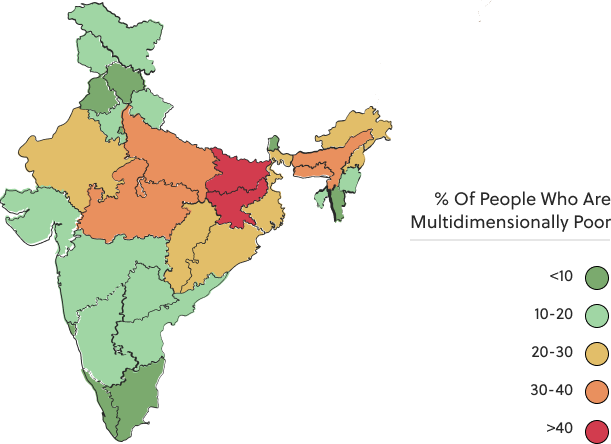
Preference for Underserved
Creating greater impact in underserved geographies across India
Aligning to
the 2X gender challenge that aims to strengthen women entrepreneurship, leadership, workforce diversity and create more products/services intentionally for women & girls
 Aligning to (opens in a new tab)
Impact Made So Far
-
27 states & 127 districts
served across India
-
6 out of 12
Investments served 10 low-performer states as per Niti Aayog's state SDG index
-
49.7%
of the impact in rural areas
-
8 out of 17
SDGs addressed

-
22 M
lives touched

-
50%
increase in farm incomes

-
32%
increase in farm productivity

-
20M
lives screened and tested for specific health conditions at scale
-
7 Out of 12
investees from our portfolio address SDG 5, which is gender equality

-
57%
Capital aligned to 2X Gender Criteria

-
310K
low income students served

-
1024
jobs created

Our Impact Framework
Our impact measurement and management framework aligns with the Impact Management Project (IMP). Launched in 2016, IMP has seen over 2,000 organisations come together to create a common language to understand the change in outcomes created by an organisation. The five dimensions of impact below are the building blocks and the compass by which we hope to better measure, report, compare and improve impact.
-

What
What outcomes does the effect relate to, and how important are they to the people (or planet) experiencing it?
-

How Much
How much of the effect occurs in the time period?
-

Who
Who experiences the effect and how underserved are they in relation to the outcome?
-

Contribution
How does the effect compare and contribute to what is likely to occur anyway?
-

Risk
Which risk factors are significant and how likely is it that the outcome is different from the expectation?